
How to Encourage Believers in Difficult Times


When a brother or sister in Christ faces hardship, loss, illness, or spiritual crisis, the question arises naturally: How can I truly help? How to encourage believers in difficult times requires more than sympathy—it demands intentional, Scripture-rooted action grounded in genuine Christian community. The Celestial Church of Christ teaches that mutual encouragement is not optional; it is woven into the fabric of biblical fellowship and the calling of every believer.
Thank you for reading this post, don't forget to subscribe!This guide offers practical, tested ways to support struggling believers through prayer, presence, Scripture, and the disciplines of our faith community. Whether you are a prayer group leader, a small group member, or simply a concerned friend, these principles will help you become an instrument of God’s comfort during another’s darkest season.
Why Encouraging Believers in Difficult Times Matters
The apostle Paul wrote, “Bear ye one another’s burdens, and so fulfil the law of Christ” (Galatians 6:2, KJV). This verse is not sentimental; it is a directive. When believers struggle, the community is responsible for stepping in with genuine, biblical support. Isolation during hardship deepens despair; presence and intercession lift the weary.
In the Celestial Church of Christ Worldwide Community, we recognize that faith is not solitary. We are called to strengthen one another, to remind each other of God’s promises, and to stand firm in prayer when individual strength falters. The early church modeled this perfectly: “And all that believed were together, and had all things common; and sold their possessions and goods, and parted them to all men, as every man had need” (Acts 2:44-45, KJV). This was not merely economic sharing; it was radical mutual care during times of uncertainty and persecution.
When you know how to encourage believers in difficult times, you become a living expression of Christ’s body. You participate in healing, hope restoration, and spiritual endurance. This is kingdom work.
Listen with Deep Presence and Empathy
Before speaking, offering advice, or quoting Scripture, listen. The book of Job teaches us that sometimes presence itself is the first gift. Job’s friends sat with him in silence for seven days before they began to speak—and when they did speak, they failed. Their silence was wise.
Ask genuine questions: “What is the hardest part of what you are facing right now?” “How are you sleeping?” “What do you need most?” Then listen without rushing to fix, minimize, or offer platitudes. Many struggling believers have heard “God works all things for good” so often that the words have lost their power. Your attentive ear—your willingness to hear their actual pain—validates their struggle and opens the door to deeper spiritual support.
In difficult times, empathy precedes theology. Once a believer feels truly heard, your spiritual encouragement lands with weight and authenticity. This is part of the fellowship that Jesus modeled—He wept with those who wept before He offered resurrection hope (John 11:35).
Pray with Specificity and Persistence
Prayer is the primary tool for encouraging believers through crisis. However, vague prayers—”I’ll pray for you”—without follow-through offer little comfort. Specific, sustained intercession demonstrates real commitment and invokes God’s tangible power.
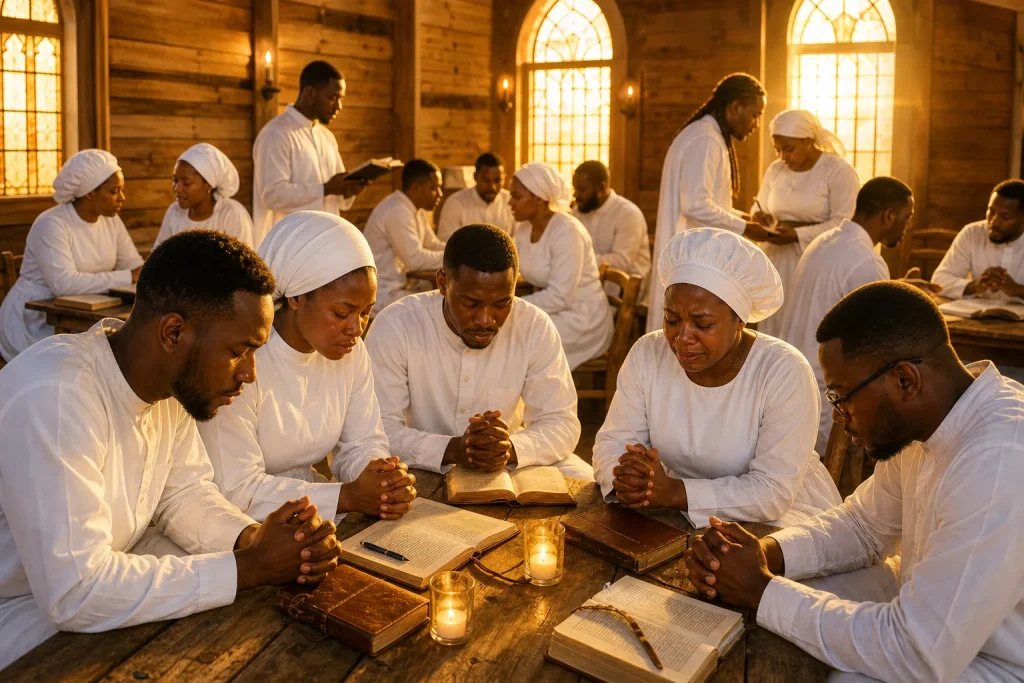
When someone shares a struggle, ask: “What specifically should I pray for?” Then pray aloud with them if appropriate, or commit to specific prayer times. Write their requests down. Pray for relief, yes, but also for spiritual growth, for peace beyond understanding, for deepened faith, and for God’s will to unfold—even if that unfolds differently than the suffering believer hopes.
The apostle Paul taught: “Be careful for nothing; but in every thing by prayer and supplication with thanksgiving let your requests be made known unto God. And the peace of God, which passeth all understanding, shall keep your hearts and your minds through Christ Jesus” (Philippians 4:6-7, KJV). This is not magical thinking; it is the promised fruit of intercession backed by thanksgiving.
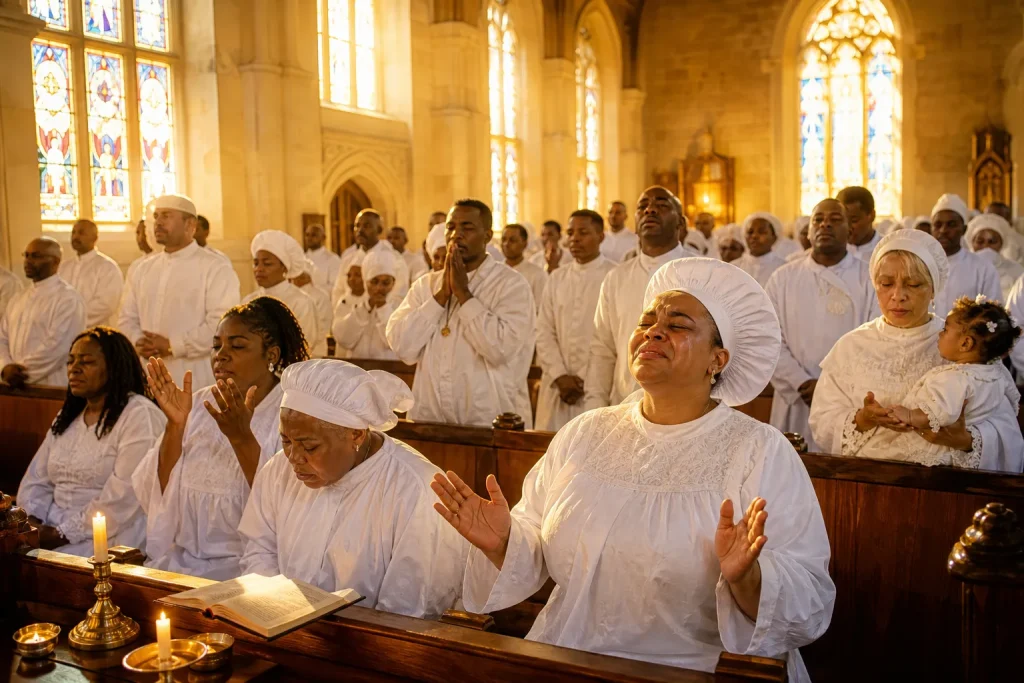
Consider submitting prayer requests to your church prayer ministry so that multiple believers can intercede. When a suffering Christian knows that five, twenty, or a hundred believers are praying for their healing, restoration, or guidance, the psychological and spiritual weight shifts. They feel the church’s arms around them.
The Celestial Church of Christ emphasizes that prayer groups can connect both locally and globally, meaning a believer in one part of the world can be sustained by intercession from another. This is the power of a worldwide community bound by prayer.
Share Scripture Responsibly and Contextually
Scripture is living and powerful, but it must be applied with wisdom. A grieving parent does not need to hear “all things work together for good” the day their child dies. A believer facing financial ruin may feel judged by prosperity passages without context.
Instead, share Scripture that speaks to the actual season: comfort for the grieving (2 Corinthians 1:3-4), strength for the fearful (2 Timothy 1:7), hope for the despairing (Psalm 42). When you share a verse, explain why it matters to their specific circumstance. Ask: “Does this speak to you?” rather than imposing interpretation.
The Psalms are especially powerful for encouraging believers in difficult times because they model honest lament alongside faith. Psalm 23, Psalm 42, Psalm 139—these verses affirm that doubt and difficulty are not failures of faith. They are the authentic soil in which faith grows deeper.
Learn to quote Scripture accurately. Bible Gateway and similar tools help ensure you share verses correctly, which protects your witness and prevents adding confusion to someone already disoriented by suffering.
Offer Practical, Tangible Help
Spiritual encouragement must manifest in concrete action. If a believer is grieving, ill, or facing crisis, they often cannot manage basic tasks. This is where the church becomes the hands and feet of Christ.
Organize meal trains so a family in crisis does not add meal planning to their burden. Offer to drive someone to medical appointments, sit with them during recovery, help with childcare, assist with household repairs, or manage financial logistics. Some struggles are too heavy for words alone.
The early church practiced this radically. Acts 6 describes the appointment of deacons specifically to ensure that no widow or struggling believer was overlooked in daily care. “Now there were dwelling at Jerusalem Jews, devout men, out of every nation under heaven… And when this was noised abroad, the multitude came together: and they were confounded, because that every man heard them speak in his own language” (Acts 2:5-6, KJV). But practical care accompanied the spiritual power.
When you offer help, be specific and follow through. “Let me know if you need anything” is kind but vague. Instead: “I am bringing dinner Thursday at 6 PM. Does pasta work for your family?” or “I am coming Saturday morning to help with yard work.” Concrete commitments honor the struggling believer’s dignity and reduce their need to advocate for themselves when they have no energy left.
Foster Connection Within Community and Fellowship
Isolation amplifies suffering. One of the most powerful ways to encourage struggling believers is to connect them more deeply with the broader faith community. This might mean introducing them to a small group, inviting them to prayer gatherings, or simply ensuring they feel known and valued.
Biblical fellowship is not incidental to Christian life; it is foundational. When a believer knows they belong to a community that has committed to standing with them, the burden becomes bearable. This is why the Celestial Church of Christ emphasizes community features and connections that help believers find their place within the body of Christ.
If someone is isolated due to health, geography, or circumstance, facilitate connection. Can they join an online prayer group? Can you arrange for others to call or video chat? Does your church offer virtual worship or Bible study? Encouraging believers in difficult times often means creating pathways to the community that sustains faith.
Help Them Maintain Spiritual Disciplines
Suffering can interrupt the practices that normally sustain faith: prayer, worship, Bible study, and fellowship. When someone is depressed, grieving, or afraid, these disciplines feel heavy. This is precisely when they matter most—and when encouragement means helping someone continue them in simplified form.
Suggest reading a single Psalm daily rather than a full chapter. Offer to pray together by phone. Encourage attendance at Sunday worship, even if they sit in the back and cannot engage fully. Sometimes showing up is the spiritual discipline itself.
Spiritual disciplines strengthen believers and create space for God’s transforming work. When you help a struggling Christian maintain these practices, even in minimal form, you are guarding their spiritual foundation during a season when the ground feels shaky.
Consider exploring together how Christian groups facilitate spiritual growth through shared discipline. A prayer group, a Bible study, or a accountability partnership can help someone in crisis maintain connection to faith practices that otherwise feel impossible.
Validate Their Emotions Without Dismissing Their Faith
A false comfort teaches that mature believers should not experience anger, doubt, fear, or despair during hardship. This is unbiblical and harmful. The Psalms overflow with lament, rage, and confusion. Job spent chapters wrestling with God. The apostle Paul wrote of being “pressed out of measure” and despairing even of life itself (2 Corinthians 1:8, KJV).
To encourage believers in difficult times, you must hold space for the full range of human emotion while anchoring them in God’s faithfulness. Say: “It makes complete sense that you feel angry. God can handle your anger. Let’s bring it to Him honestly.” This is far more helpful than dismissing their feelings as lack of faith.
Grief requires time. Fear requires patient compassion. Doubt requires honest wrestling with Scripture, not scolding. When you validate emotion while maintaining confidence in God, you offer a mature faith that honors both the reality of suffering and the truth of God’s goodness—even when those truths seem to contradict.
Encourage Without Minimizing or Spiritualizing
Some suffering is just suffering. Not every hardship is a lesson. Not every loss is a blessing in disguise. Sometimes terrible things happen to faithful believers, and pretending otherwise dishonors both God’s reality and the suffering Christian’s intelligence.
The prosperity gospel has wounded many believers by suggesting that faith guarantees comfort, health, and financial success. This is false. Jesus promised trouble: “In the world ye shall have tribulation: but be of good cheer; I have overcome the world” (John 16:33, KJV). Encouragement means helping believers face hardship knowing that God’s presence does not remove all pain but transforms its meaning.
Encourage perseverance, not positivity. Encourage faith, not denial. Help them ask good questions—”What is God teaching me?” or “How might God use this?”—while permitting the honest answer to be “I don’t know yet, but I trust Him anyway.”
Model Vulnerability and Honesty
When you help encourage believers in difficult times, do not present yourself as spiritually superior or struggle-free. Share how you have faced hardship, how your faith was tested, how God met you. This normalizes the Christian life as a journey that includes both mountain peaks and dark valleys.
Your vulnerability gives others permission to be honest. It demonstrates that faith is not fragile; it can survive doubt, anger, and confusion. It shows that the Christian life is not about achieving perfection but about being transformed through struggle in community with others.
The Apostle Paul wrote: “For we would not, brethren, have you ignorant of our trouble which came to us in Asia, that we were pressed out of measure, above strength, insomuch that we despaired even of life” (2 Corinthians 1:8, KJV). Even Paul, the great apostle, experienced despair. By sharing this, he encouraged others facing similar depths.
Practical Action Plan for Encouraging Struggling Believers
Week One: Listen and Learn
- Identify a believer facing difficulty (or wait to be called upon).
- Ask what they need and truly listen without planning your response.
- Write down specific prayer requests and struggles they name.
- Ask permission to share their needs with a prayer group or prayer ministry.
Week Two: Pray and Intercede
- Begin praying daily for this believer using the specific requests they shared.
- Submit their prayer request formally to your church if appropriate.
- Join or initiate a prayer group focused on intercession for their specific need.
- Text or call to let them know you are praying, without needing a response.
Week Three: Serve Practically
- Identify one tangible need: meals, yard work, household help, transportation, childcare.
- Make a specific, time-bound offer: “I am bringing dinner Tuesday at 6 PM” rather than “let me know if you need anything.”
- Organize others to help if the need is large (meal train, work day, etc.).
- Follow through without reminding them to thank you.
Week Four: Connect Relationally
- Invite them to a small group, prayer meeting, or worship service if they are isolated.
- Help facilitate online connection if physical attendance is difficult.
- Introduce them to others in your faith community who have faced similar struggles.
- Check in regularly without expecting lengthy responses.
Ongoing: Continue the Rhythm
- Maintain prayer beyond the acute crisis; recovery often takes time.
- Continue practical help as needed, adjusting as their situation evolves.
- Help them reconnect with spiritual disciplines at their own pace.
- Celebrate small victories and signs of healing without rushing their process.
How the Worldwide Community Strengthens Encouragement
One of the unique gifts of the Celestial Church of Christ Worldwide Community is our global reach. A believer facing crisis is never alone because their struggle becomes known to a network spanning continents. The Celestial Church of Christ emphasizes that encouragement flows across borders and time zones, held together by unified prayer and faith.
If your local church is small or if a believer has limited local support, the worldwide community becomes their extended family. Online prayer groups, global fellowship, and digital connection ensure that no believer is truly isolated. This is a profound comfort in an increasingly fragmented world.
FAQ: Encouraging Believers Through Hardship
What are biblical ways to encourage someone going through a difficult time?
Scripture teaches several core approaches. First, listen deeply and validate their experience (Romans 12:15). Second, pray persistently and specifically for their needs (Philippians 4:6-7). Third, share Scripture contextually, choosing passages that speak to their actual season rather than imposing doctrine. Fourth, offer tangible help that reduces their burden (Galatians 6:2). Fifth, invite them into community and connection where they feel known and valued. Sixth, model honest faith that acknowledges both suffering and God’s faithfulness. These approaches together create biblical encouragement that sustains believers through crisis.
How can prayer groups in the Celestial Church support struggling believers?
Prayer groups become the organized heart of mutual encouragement. When a believer submits a prayer request, it moves from private worry into corporate intercession. The group prays with specificity, persistence, and faith that God hears and responds. Prayer groups also provide accountability—they ensure that intercession continues beyond initial sympathy, sustaining the struggling believer over weeks and months. Additionally, prayer groups create community; a believer whose name is lifted in prayer weekly feels the church’s commitment in tangible ways. The group becomes living proof that the body of Christ functions as an integrated organism, not isolated individuals.
What spiritual disciplines help believers encourage one another during crisis?
The core disciplines are prayer (both personal and corporate), Scripture meditation and study, worship (corporate and personal), fasting (when appropriate), fellowship, and service. During crisis, these disciplines may be simplified—a single Psalm rather than chapters, a brief prayer rather than lengthy devotion, attendance at worship even without full participation. The key is maintaining these practices in whatever form is manageable because they keep the believer connected to God’s presence and the faith community’s support. When encouragers help struggling believers continue spiritual disciplines, they preserve the very practices that will sustain and transform them through the difficulty.
Conclusion: Encouragement as the Life of the Church
How to encourage believers in difficult times is not abstract theology; it is the heartbeat of Christian community. Every believer will face seasons of darkness, loss, illness, or spiritual crisis. When these seasons come, the church’s response determines whether faith is strengthened or shattered, whether the believer feels abandoned or embraced, whether they emerge with deepened trust or festering bitterness.
The Celestial Church of Christ teaches that mutual encouragement is not optional work reserved for pastors or trained counselors. It is the calling of every believer. Through listening, praying, serving, connecting, and modeling honest faith, you become an instrument of God’s comfort and restoration. You fulfill the law of Christ by bearing one another’s burdens. You demonstrate that we are not isolated individuals but members of one body, sustained together by grace.
When you learn to encourage believers in difficult times, you participate in the very work Jesus came to accomplish: binding up the brokenhearted, releasing captives, and restoring joy to the mourning. This is kingdom work. This is the church at its most essential. Start today by reaching out to one believer you know is struggling. Listen. Pray. Serve. Connect. In doing so, you will discover that encouragement flows both directions—your faith will deepen as you give, and you will be held by community when your own season of struggle inevitably arrives.
Trusted Resources for Further Study
For deeper study see BibleGateway, Bible.com, Britannica, WHO, and Library of Congress.